|
|
Posted By Columbus Medical Association - CMA,
Friday, May 1, 2026
Updated: Tuesday, April 28, 2026
|

We are excited to welcome Engy Habashy, MD, a urologist and U.S. Navy veteran, as a new member of the Columbus Medical Association! Learn more about Dr. Habashy, including why the wise words of a senior physician in an elevator during medical school turned out to be some of the best advice she's ever received.
What inspired you to pursue a career in medicine?
My military background instilled a profound sense of service and duty that naturally guided me toward medicine. I wanted to be in a position where I could directly impact health and advocate for better healthcare policies. Ultimately, the desire to profoundly impact lives with meaningful, long-term patient relationships and advocacy drew me to the field.
What do you enjoy most about practicing in Columbus?
Practicing in Columbus allows me to truly integrate with and serve my local community on my own terms. I greatly appreciate the vibrant medical network that supports both independent practice and active physician advocacy. It is incredibly rewarding to work in a city that values healthcare innovation while still feeling like a close-knit home.
What are your areas of clinical interest?
As a urologist, my primary focus is on advancing surgical techniques and staying engaged with the latest clinical literature. I am also deeply interested in the intersection of medicine with healthcare law and artificial intelligence, which I am actively studying. Furthermore, drawing from my own background, I conduct research on health outcomes specifically within military populations.
What’s your favorite restaurant in Columbus?
I love Vietnamese cuisine and have been to Buckeye Pho many times. Vietnamese will always be at the top of my list.
When you’re not working, how do you like to spend your free time?
I cherish spending time with my husband, and keeping up with our three-year-old son, especially as we get him started in new activities like toddler swim lessons. Beyond family time, I am very hands-on with interior design, regularly taking on home improvement and smart-home projects. I also prioritize my personal well-being and try to maintain an active lifestyle. I recently signed up to lead a Walk with a Doc session, a volunteer program I learned about through the Columbus Medical Association. Thank you for that tip!
What’s a fun fact about you that people might not know?
In addition to being fluent in a second language, I am an avid international traveler and have loved exploring countries like Armenia, Ecuador, Egypt, and New Zealand. Another defining aspect of my life is my own journey with significant health challenges, including overcoming heart and brain surgeries. Navigating the healthcare system from the other side of the stethoscope has profoundly shaped my perspective and deepened my empathy as a physician.
What’s the best piece of advice you’ve ever received?
The best advice I ever received came from a brief but profound encounter with a senior physician in an elevator during medical school. He advised me not to let medicine become just a source of livelihood, but to strive for a position where I could practice purely for the joy of it. He believed that finding financial independence outside of the clinic allows you to see patients out of true passion rather than necessity. That wisdom shifted my perspective entirely and continues to guide how I structure my career and life today.
Tags:
New Member; Member Spotlight
Permalink
| Comments (0)
|
|
|
Posted By Columbus Medical Association - CMA,
Friday, May 1, 2026
Updated: Tuesday, April 28, 2026
|

CMA Sponsor Shumaker is a legal and legislative solutions firm with over 300 lawyers and advisors and 60 paralegals practicing across 13 offices nationwide. Learn more about their firm and services below.
Tell us about your company’s mission and values.
For over 100 years, we have set a high standard for service, consistently delivering exceptional results. Shumaker’s mission is to provide legal and legislative counsel that moves our clients and communities forward with confidence. This mission is driven by our firm’s core values: impeccable client service, trust and respect for each other, and commitment to our communities.
Please describe your company culture.
At Shumaker, we have worked intentionally to build a culture of trust and respect for each other, where every employee feels empowered to carry out their tasks to the best of their ability. We afford all members of the firm the same trust and respect because we firmly believe that all personnel contribute significantly to the client experience—from winning a court hearing, to attending a client dinner, to assembling a binder and giving a warm greeting to guests visiting the office. We celebrate each other’s victories, help each other through challenges, and collaborate closely with each other to best serve our clients. This foundation of trust and respect naturally builds strong teams and encourages connections.
What’s your favorite part of the Central Ohio medical community?
The Central Ohio medical community stands out for its unique culture of collaboration and innovation. Columbus maintains a distinct "small-town feel" within a major metropolitan area, where health systems, independent practitioners, and academic institutions work together to improve health outcomes for all citizens across the region. The city boasts world-class academic centers and specialized children’s hospitals that attract top-tier talent, all of which encourage integrated care models and progressive policy development. The entire community shares a commitment to ensuring that health care capabilities and accessibility grow as Columbus grows, making it a true hub for medical excellence in the Midwest.
Exclusive Member Benefit: Preferred Access to Physician-Focused Legal Counsel
Shumaker attorney Daphne Kackloudis, who is a member of the CMA's public policy team, recently announced an exclusive CMA member benefit of a 10% discount off her hourly rate for physician-related legal services. Learn more here.
Tags:
Sponsor Spotlight
Permalink
| Comments (0)
|
|
|
Posted By Columbus Medical Association - CMA,
Friday, May 1, 2026
Updated: Tuesday, April 28, 2026
|
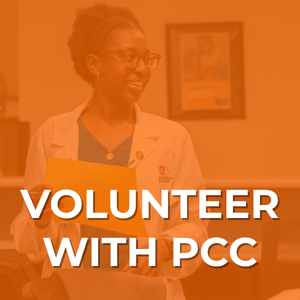
The Physicians CareConnection, or PCC, an affiliate of the Columbus Medical Association that helps coordinate care for vulnerable adults in Central Ohio, has an urgent need for specialty volunteers. PCC President Isi Green reported the following are needed to help meet the growing demand for services:
- Gynecology
- Gastroenterology
- Nephrology
- Allergy
- Pulmonology
- Orthopedics
- Endocrinology
- Sleep Medicine
The PCC Center for Optimal Health is located at 1390B Dublin Road in Columbus. They provide comprehensive support, including onsite and offsite lab services, pharmacy access, and a dedicated team of care coordinators who manage both medical and social aspects of patient care. Their goal is to make the experience as seamless as possible so providers can focus on what they do best: caring for patients.
"Physicians CareConnection creates a bridge between patients in need and physicians who are willing to help. It allows me to extend my care beyond my private practice, Hilliard Family PODIATRY, reaching individuals who may not have insurance or resources. It aligns with why I went into medicine in the first place and that is to help people in a meaningful way," Dr. Jennifer Trinidad said in a recent PCC Volunteer Spotlight.
What Volunteers Need to Know
- Medical services are offered Mondays and Wednesdays from 9:00 AM–7:00 PM
- There is additional flexibility to host morning (9:00 AM–12:00 PM) or afternoon (12:00 PM–4:00 PM) sessions on Tuesdays based on provider availability.
- They utilize Athena EMR, and scribe support is available if desired.
- Providers may volunteer for as little as one hour or longer and can determine the number of patients they wish to see.
Please consider donating time to PCC's life-saving work. Find more information and sign up to volunteer here.
Tags:
PCC
PCC Center for Optimal Health
Permalink
| Comments (0)
|
|
|
Posted By Columbus Medical Association - CMA,
Friday, May 1, 2026
Updated: Wednesday, April 29, 2026
|

The Ohio State University Health Sciences Library Medical Heritage Center (MHC) is seeking applicants for its George W. Paulson, MD, Scholar-in-Residence Program for a flexible time period between September 1, 2026 and August 31, 2027.
The Scholar-in-Residence Program provides a stipend up to $5,000 to support the activities of the scholar. This funding is provided by the Columbus Medical Association Foundation endowment for the MHC and can cover but is not limited to equipment, support staff, and publication costs. Scholars also receive touchdown workspace, limited storage for materials, and shared large office equipment. All funds must be spent in the awarded year. A one-year renewal may be available upon request, depending on the scope of the project.
Suitable potential scholars can come from a variety of backgrounds (e.g., students, clinician historians, PhD historians) and each application will be reviewed based upon the quality of the application and proposed use of historical collections. Preference will be given to scholars whose research is directed toward local or regional medical historic issues. Use of the in-house archival and rare book collections is suggested but not limited to the collections of the Medical Heritage Center. The intent to publish in nationally-known presses and peer-reviewed journals is preferred. Scholars will be expected to provide a mid-point and final report discussing the progress and result of the residency project. At least one presentation and publication are expected from a successful scholar residency.
An application package should be submitted for consideration by June 22, 2026, and a successful applicant will be decided upon by the Medical Heritage Center Advisory Committee by July 20, 2026. The application package should include:
- A cover letter stating the scholar’s intended area of research and publication and how the research fits into the goals of the Scholar-in-Residence Program. Please note use of MHC collections where applicable.
- CV
- Proposed budget and timeline; and
- At least two (2) recommendation letters.
The application and any questions should be sent to Judith Wiener, Health Sciences Library Associate Director for Collections and Outreach at MHCmail@osumc.edu.
Tags:
Residents
Permalink
| Comments (0)
|
|
|
Posted By Columbus Medical Association - CMA,
Friday, May 1, 2026
Updated: Wednesday, April 29, 2026
|

The Columbus Medical Association Foundation's Youth Council gathered for an end-of-the school year outing to say farewell to their graduating seniors. The Youth Council is composed of students ages 13-18 who meet regularly to learn about philanthropy and grantmaking, and award grants to community organizations focused on their priority areas.
The Council gathered on April 21, 2026 to play arcade games and laser tag at Combat Ops. Three members of the council are graduating high school: Imani Akita - Westerville South HS, Stuti Deshpande - Dublin Jerome High School, and Zaid Abaza - Dublin Jerome High School.
"These students have been strong voices in philanthropy for the council and exhibited leadership and growth in each of the meetings," said Paula Cosby, CMA Foundation Director. "We are incredibly proud of their accomplishments and wish them success in their future."
Tags:
CMA Foundation
Youth Advisory Council
Permalink
| Comments (0)
|

 Blog Home
 All Blogs
 RSS
RSS


